Garmin Fenix 9 Pro Map Lag: Is the $1,099 Smartwatch Still Worth Buying?
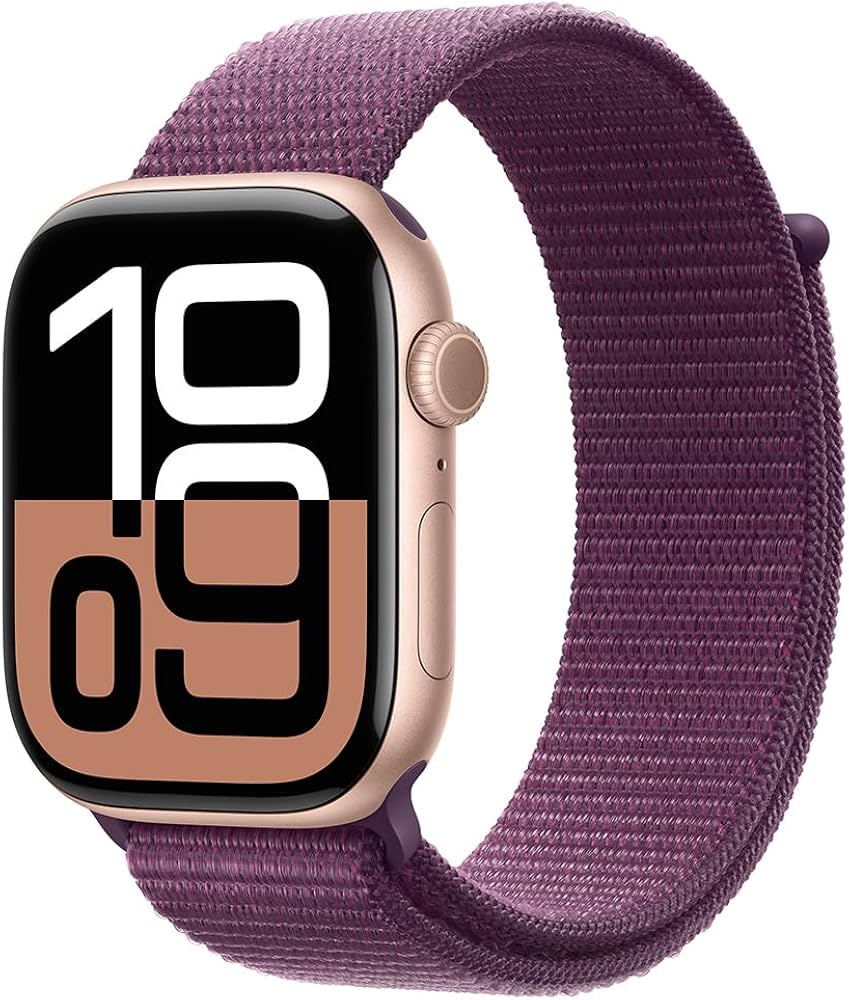
The Garmin Fenix 9 Pro launched on August 25 at $1,099 with a promise: faster maps, a brighter display, and the most capable outdoor watch Garmin has ever built. Three weeks later, a growing chorus of reviewers and forum users is reporting a problem that undermines the watch's most marketed improvement — persistent map display lag. Here's what's real, what Garmin is doing about it, and whether the Fenix 9 Pro is still worth buying.
The Issue
Map panning, zooming, and workout start/stop lag persists despite the new NXP RT700 chip with 50% more RAM.
Still Great At
GPS accuracy, fitness tracking, battery life, 3,000-nit display readability, and multi-sport metrics are best-in-class.
Our Take
Buy for fitness and outdoor endurance. Wait for firmware updates if navigation mapping is your primary use case.
What Are Reviewers Reporting About Map Performance?
The5KRunner published detailed map performance testing on September 3 that put the Fenix 9 Pro through its paces in multiple geographic regions. The findings: while the new NXP RT700 chip with 50% more RAM delivers measurably faster map rendering than the Fenix 8 Pro, the improvements don't match Garmin's marketing. Panning across a map still produces visible stutter, and zooming in and out introduces noticeable frame drops that make the experience feel sluggish for a $1,099 device.
The Garmin forums tell a similar story. Multiple threads from early Fenix 9 Pro buyers document poor responsiveness during navigation-heavy activities like hiking and trail running. Users describe moments where the map freezes for one to two seconds during rapid panning — long enough to be disorienting mid-trail.
A secondary complaint has emerged around the built-in speaker, which multiple reviewers describe as sounding "distorted" or "broken" at default volume. The speaker is used for turn-by-turn navigation cues and notification alerts, so distortion at normal levels is a practical problem, not just an aesthetic one.
How Does the Fenix 9 Pro Compare to the Fenix 8 Pro?
To be fair, the Fenix 9 Pro is genuinely faster than its predecessor. Side-by-side testing from Geeky Gadgets shows the Fenix 9 Pro rendering maps noticeably quickerin dense urban areas and adapting to different geographic contexts without the Fenix 8 Pro's worst-case stutters.
The improvements come from the NXP RT700 processor, which brings 50% more RAM and a more efficient graphics pipeline. Garmin also targeted map performance specifically in beta firmware 22.29 (released May 2026), and the current stable release v27.19 includes further optimizations.
The problem isn't that the Fenix 9 Pro is worse than the Fenix 8 Pro — it's clearly better. The problem is that Garmin set expectations for a transformative improvement, and what shipped is an incremental one. At $1,099, buyers expected the map lag problem to be solved, not just reduced.
Should You Buy the Fenix 9 Pro or Choose an Alternative?
The answer depends on why you're buying:
For fitness tracking and outdoor endurance: The Fenix 9 Pro remains the best watch in its class. The 3,000-nit AMOLED display, multi-band GPS with best-in-class accuracy, solar charging, titanium case, and multi-day battery life (up to 25 days in smartwatch mode with solar) are unmatched. The initial review roundup praised these capabilities for good reason.
For trail navigation and mapping: Wait for further firmware updates. Garmin has a track record of improving map performance through software — the Fenix 8 Pro received multiple mapping optimizations over its lifecycle. The map lag is a software problem, not a hardware limitation, and the NXP RT700 chip has headroom for improvement.
Budget-conscious buyers: The base Fenix 9 at $999 uses the identical chip and display. You lose the titanium case, sapphire crystal, and green-light flashlight, but gain the same fitness tracking and (yes, the same) map performance. For a different approach entirely, the Apple Watch Ultra 3 at $620 offers dramatically smoother maps at a lower price, though with significantly shorter battery life.
What About the Upcoming Apple Watch Ultra 4?
The Apple Watch Series 12 and Ultra 4launch on September 18 and represent the strongest alternative ecosystem. The Ultra 4 at $799 delivers smoother mapping, the new Health Sensing System, and the Readiness score — but tops out at roughly 50 hours of battery life compared to the Fenix 9 Pro's 25+ days with solar.
For outdoor athletes who need multi-day battery lifeand don't carry a charger on multi-day adventures, the Fenix 9 Pro remains the only choice despite the map lag. For everyone else, the Ultra 4 ecosystem — especially paired with the Health Sensing System — offers a more polished experience at a lower price.
Compare all options in our best smartwatches for fall 2026 roundup, and browse the full smartwatch guide for prices across all brands.
The Bottom Line
The Garmin Fenix 9 Pro is the best outdoor fitness watch available today — that hasn't changed. What has changed is our confidence in recommending it at $1,099 for buyers whose primary use case is map navigation. The map lag is real, documented by credible reviewers, and doesn't match the marketing. Garmin is actively patching it, and the NXP RT700 chip has the hardware capability to deliver faster performance through software updates.
Our recommendation: Buy the Fenix 9 Pro if you need multi-day battery life and best-in-class fitness tracking, and can live with imperfect map performance today. Wait if smooth map navigation is essential — either for firmware improvements or for the Apple Watch Ultra 4 comparison once it launches September 18.
Related Articles
Frequently Asked Questions
Does the Garmin Fenix 9 Pro have map lag issues?
Yes. Multiple reviewers and forum users report noticeable lag when panning, zooming, and navigating maps on the Fenix 9 Pro. While performance is measurably improved over the Fenix 8 Pro thanks to the new NXP RT700 chip, it doesn't match Garmin's marketing claims of dramatically faster mapping. Garmin has issued firmware updates addressing the issue, with further improvements expected.
Is the Garmin Fenix 9 Pro worth $1,099 despite the map lag?
For most outdoor athletes, yes — if you can tolerate occasional map lag during navigation. The Fenix 9 Pro's 3,000-nit AMOLED display, multi-band GPS, titanium case, solar charging, and multi-day battery life make it the most capable outdoor watch available. The map lag is a real drawback at this price but doesn't affect core fitness tracking, which works flawlessly.
Should I buy the Garmin Fenix 9 or Fenix 9 Pro?
The base Fenix 9 at $999 uses the same NXP RT700 chip and 3,000-nit AMOLED display as the Pro. The Pro adds a titanium case, sapphire crystal lens, and the green-light flashlight mode. If map navigation isn't your primary use case, the base Fenix 9 delivers the same core experience for $100 less. Both models share the same map performance characteristics.
How does Garmin Fenix 9 Pro map speed compare to Apple Watch Ultra?
The Apple Watch Ultra 3 and upcoming Ultra 4 deliver noticeably smoother map rendering, zooming, and panning than the Fenix 9 Pro. Apple's S-series chips handle graphics-intensive tasks more fluidly. However, the Ultra trades away the Fenix 9 Pro's multi-day battery life, solar charging, and deeper outdoor metrics. Choose based on whether battery endurance or map fluidity matters more to your activities.